Budget-Friendly Septic System Cleaning: Expert Tips and Resident Services
Business Name: Elite Sanitation Services
Address: Saucier, MS 39574
Phone: (228) 297-4850
Elite Sanitation Services
Since 2016, Elite Sanitation Services has been the premier provider for all your sanitation needs. We deliver comprehensive solutions. Our expert team ensures seamless service for events and construction sites, handling everything from septic system services to grease trap pump-outs and jetting services. We are dedicated to providing superior sanitation services with unmatched reliability and professionalism.
Saucier, MS 39574
Business Hours
Septic systems reward quiet, steady care. When you look after them, they look after you, with clean drains, no odors, and fewer emergencies. When you ignore them, they advise you in the most difficult and costly methods. Fortunately is you can keep septic system pumping predictable and cost effective with a basic strategy, a few clever upgrades, and the ideal local partners. I have dealt with properties with tanks the size of little automobiles and on tiny cabins that run lean. The common threads are timing, access, and understanding when to invest a dollar to save a hundred.
What sewage-disposal tank cleaning actually means
People usage a number of terms interchangeably, but it assists to unload them. Septic tank pumping and septic system emptying describe removing liquids and solids with a vacuum truck. Septic system cleaning can imply the very same thing, but experts typically use it for a more extensive service that includes cleaning down the interior to break up stuck sludge or residue and hosing the effluent filter and baffles.
A basic pump gets rid of the bulk of the contents, which is what a lot of households require on a regular schedule. A deep clean works if the tank has gone far too long between services, if solids have actually bridged inside the tank, or if you have obstructions at the outlet baffle. If a company is pricing quote a steep price for "cleaning," ask exactly what it consists of. In some cases a fundamental pump with a little backflushing is all you need.
How often to pump without paying more than you should
Frequency depends upon tank size, home size, and just how much water you press through the system. A 1,000 gallon tank serving a household of four typically requires sewage-disposal tank pumping every 3 to 4 years. Stretch it to 5 if you take care with water use. Pull it in to 2 years if the home has a garbage disposal or if you host guests typically. Villa with low, intermittent use can go 5 to 7 years, supplied absolutely nothing else is stressing the system.
You can get more precise with an easy rule of thumb from the field. When I dip a tank with a sludge judge or a homemade pole and find the bottom sludge layer thicker than one third of the tank's liquid depth, it is time to pump. The majority of property owners do not have measuring tools, so utilize your service tickets. If your last pump pulled 800 to 900 gallons from a 1,000 gallon tank and the tech kept in mind moderate sludge, set a suggestion for 3 years. If they had a hard time to break up solids and the filter was buried, two years may be wiser.
Paying a little sooner than strictly necessary is cheaper than spending for a drainfield failure or an emergency situation call at midnight. If you keep to a reasonable schedule, regular septic tank maintenance ends up being a budget plan line item instead of a surprise.
What a reasonable cost looks like
Regional differences are huge, due to the fact that disposal charges, travel distance, and competitors vary. For an uncomplicated residential pump on a tank in between 1,000 and 1,500 gallons, I see costs land between 300 and 650 dollars in many parts of the nation. Rural paths with long driving time can run greater. Urban areas with tight gain access to or permit requirements can add fees.
A couple of locations where quotes can climb up:
- Dig fees since your lids are buried and the crew requires an hour with a shovel.
- Excess hose pipe length beyond a basic 100 feet.
- Tank area down a steep slope or behind fragile landscaping.
- Disposal additional charges if your tank is high in solids or if the local plant altered rates.
You can bring those expenses down with preparation, which we will cover shortly.
Signs that you are waiting too long
Septic systems whisper before they yell. Slow sinks, gurgling toilets, and wet areas over the tank or drainfield are the early hints. Persistent smell near the tank is another. If a toilet burps when a cleaning device drains pipes, your outlet baffle or effluent filter is likely choked, and it has been too long between services. A soggy patch in the yard after dry weather condition suggests the system is overloaded or the drainfield is having a hard time. As soon as you see gray water backing up into a tub or shower, you are directly in emergency territory.
I discovered early to trust the nose. On a farm home I serviced, the owner swore the schedule was great, yet a faint sour odor wandered near the circulation box. The pump-out exposed a dense cap of residue that had actually sloughed off and partially blocked the outlet. 2 years later on, with a filter set up and lids raised, the tank looked textbook, and the smell never ever returned.
The budget plan technique: do the low-cost work yourself, pay pros for the heavy stuff
You can save hundreds of dollars over the life of your system with 2 useful upgrades and a few routines. You need to not try to pump a tank yourself. It is unsafe, and a lot of places restrict hauling septage without a permit. But you can make every professional see much shorter and easier, which typically results in a smaller bill.
First, install risers to bring the tank covers to the surface. The majority of older tanks sit 6 to 24 inches listed below grade. Whenever a business digs to expose those covers, you pay labor. A great riser package with a gasketed cover expenses 150 to 300 dollars per opening in lots Grease Trap Pumping Elite Sanitation Services of markets, and a standard install takes a knowledgeable tech an hour or more. You recoup that expense in two or three pump cycles, then enjoy simple gain access to for everything that follows.
Second, add and maintain an effluent filter at the outlet baffle if your tank does not currently have one. Consider it as a last-chance strainer that keeps little solids from heading to the drainfield. Filters cost 60 to 120 dollars, and cleaning them takes a couple of minutes. Most house owners can wash a filter with a garden tube while a helper enjoys the tank opening. If you are not comfy, ask the pumper to do it and to note the condition on the invoice. A ten minute cleaning can extend drainfield life by years.
As for habits, spread out laundry over the week rather of blasting the system with five loads on Saturday. Fix running toilets and dripping faucets, which can press numerous gallons into the tank in a week and churn the solids. Prevent flushing wipes, even the ones labeled flushable. Skip grinding food scraps through the disposal. It is not that a disposal will instantly kill a system, but the included solids accelerate pumping frequency and raise costs.
The truth about ingredients and other shortcuts
I get asked about septic additives every season. Enzyme packages, yeast, wonder bacteria. If a tank is working, it currently has a flourishing microbial community fed by what flows into it. Ingredients seldom change pumping periods in a meaningful way. Some can even stir up solids that need to settle, sending more to the drainfield. If a county inspector might back me up in print here, they would. They normally state the same thing: focus on pump timing and water use, not potions.
There are times when a targeted product helps, like a drain cleaner that is septic safe for a greasey kitchen line, but those are one-offs. Construct your budget plan around scheduled service, not bottles.
What to anticipate on pumping day
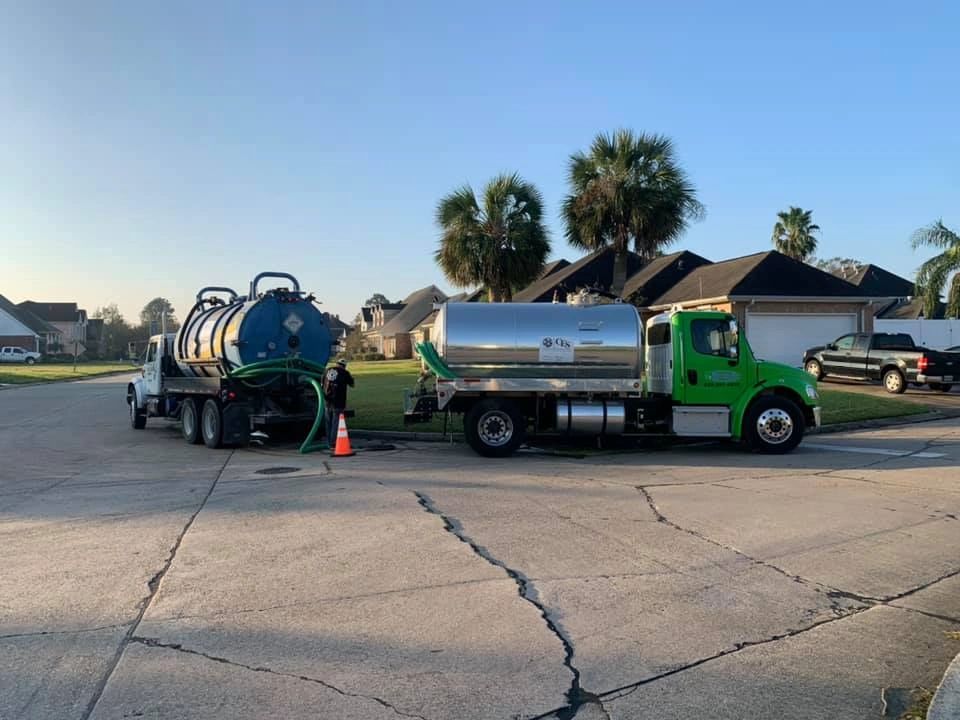
A normal see takes 30 to 90 minutes, depending on gain access to and tank condition. The crew will back the truck to a safe range, set out hose pipe, open the lids, and determine liquid level. A healthy, resting tank will be complete to the bottom of the outlet pipe. If it is much higher, there is a constraint downstream. If it is lower, there might be a crack or leakage, specifically in older concrete tanks.
While the tank is pumped, a great operator will separate sludge with a wand and examine that the inlet and outlet baffles are undamaged. If you have a filter, they will pull and wash it. If you are around, watch and ask concerns. You find out a lot from seeing your own tank.
If the crew suggests sewage-disposal tank cleaning in the sense of aggressive washdown, ask why. Heavy interior cleaning is useful if residue has hardened on the walls or if the tank went a decade without service. Otherwise, an extensive pump with some backwash normally does the job and spares you extra disposal volume.
A basic preparation that conserves time and money
Before the truck gets here, mark the gain access to lids if they are not obvious. Trim shrubs and move planters or furniture. Keep pets within. If the driveway is vulnerable, tell the dispatcher so they bring pipe length to park on the street, or ask about a smaller sized truck. If you have an irrigation timer, turn it off for the day so the area near the tank and drainfield remains dry while the team is working.
Here is a short checklist I show new house owners when they schedule their first service.
- Confirm cover locations and clear a three foot location around each.
- Unlock gates and note any low wires or soft ground the chauffeur ought to avoid.
- Run water in your house for a minute before the crew opens the tank so they can see inlet flow.
- Keep a garden tube useful for filter rinsing and light cleanup.
- Have the last service record available, even if it is an image of the invoice on your phone.
Getting quotes without getting upsold
When you call around, request for a rate that includes a complete pump of your tank size, affordable tube length, filter rinsing, and disposal. Be honest about gain access to and range from the street. If a company states the final cost depends upon how complete the tank is, that is not a red flag by itself, but press for a common variety for your size and area. Ask whether there is a discount rate for weekday, first-appointment slots. Morning gos to often run on time and prevent overtime rates if the day goes sideways.
Line up two quotes if you are brand-new to an area. I worked with a property owner who saved 120 dollars by calling a business based one town over that ran a routine route past her street on Wednesdays. Same service, same quality. They merely had lower driving time and disposal charges at their preferred plant.
How to discover trustworthy regional services
Word of mouth is still king. Next-door neighbors on the same soil and with comparable home ages know which companies appear and stand by their work. County health departments, ecological services, or onsite wastewater programs frequently keep a list of certified pumpers. In some areas, you can browse permit databases and see which firms deal with the majority of the residential tasks. Volume alone is not proof of quality, but it is a start.
Online reviews help when you read them seriously. Look for patterns over a number of months instead of a single glowing or mad remark. Do they mention punctuality, clean work, and clear explanations? Do they note constant prices over numerous gos to? Business that picture tanks and leave notes about baffle condition and filter type include value due to the fact that you get a record you can reference later.
When you call, your first impression matters. If the dispatcher asks great questions about tank size, cover depth, and driveway access, you remain in the right store. If they brush those off and say they will figure it out onsite, you may deal with surprises on the invoice.
Questions that separate pros from pretenders
Here are 5 questions that usually result in a directly, helpful conversation.
- Are you licensed and guaranteed for septic tank pumping in this county, and where do you dispose of septage?
- What is included in the base price for a 1,000 to 1,500 gallon tank, and what sets off additional fees?
- Do you clean or replace effluent filters during service, and do you document baffle condition?
- How much hose do you bring, and can you service from the street if needed?
- If I install risers, do you use the service or have a preferred product you recommend?
Listen for confident, direct responses. A company that can discuss disposal guidelines and local practices without hedging probably knows the system beyond the hose pipe reel.
A house owner's map pays for itself
If you simply purchased a home with a septic tank, make a quick sketch. Mark the tank, the approximate line from the house to the tank, and the drainfield lines or bed. Measure from 2 fixed points like the corner of your house and a fence post. Store the drawing with your deed, and take a couple of images. Months or years later on, when you require septic tank emptying, you will not pay somebody to play hide and look for with a probe rod across your lawn.
I when helped an owner who thought the tank was off the patio since the previous owner said so. We lost time in the incorrect spot. A week later on, the owner discovered an old inspection report that put the tank six feet to the east. That paper would have conserved an hour's labor.
Access ideas for tricky lots
Tanks tucked behind retaining walls or down a hill can be serviced if you plan a path. A truck's hose pipe can run 150 to 200 feet oftentimes, however suction drops with range. Long pulls also take time, which includes expense. If you share a narrow drive, coordinate with a next-door neighbor to leave area on service day. If your cover sits under a deck, think about cutting a hatch for safe access. It is better to invest a little on woodworking now than to pay for repeated deck disassembly.
Winter adds wrinkles. Frozen soil makes excavation slower if covers are buried. I have seen teams thaw soil with warm water and persistence, but it is not quick. This is another argument for risers. In snow nation, mark the covers with stakes before the very first huge storm so you do not guess in February.
Budget moves that add up over time
Small, constant upkeep usually beats big, brave fixes later. Fix a leaking faucet today and you spend a few dollars on a washer instead of adding 200 gallons of needless flow to your tank over a month. Put your cleaning device on a high-efficiency cycle and cut each load by 10 to 15 gallons. Over a year, that is a couple of thousand gallons that never ever churn your solids.
If your household grows or you begin hosting more, change the pumping interval. It is common to see a home go from 4 to three years in between pumps when teenagers become laundry makers. A 350 to 500 dollar pump every three years is still more affordable than the sluggish bleed of clog symptoms and the last reckoning on a weekend emergency.
Add the cost of risers to your psychological mathematics. If you prepare to own the house for more than three years, risers are almost always a net win. The same opts for a filter and a basic alarm for pump tanks in mound or aerobic systems. A 100 dollar alarm can alert you before sewage reaches a basement flooring drain.
When you need to not cut corners
There are real do nots. Do not go into a tank, even for a second. The air can turn lethal without alerting. Do not park lorries over the tank or drainfield. The weight can break lids and compact soil, which reduces drainfield life. Do not route water conditioner backwash, sump pumps, or roofing system drains into the system. That clean water displaces residence time in the tank and presses solids outward.
If you have a backup or believe a blockage, do not dump caustic chemicals in a last-ditch effort to clear it. You can harm pipelines and shock the biology. A camera examination from a cleanout, paired with a pump-out, offers you real data to solve the problem.
The worry list for older systems
Homes from the 1960s to 1980s in some cases have concrete or steel tanks that did their time. Steel lids corrode and can become risky to walk on. Concrete tanks may have degraded baffles. If your pumper keeps in mind missing baffles or collapsing concrete, inquire about retrofit alternatives. A plastic or fiberglass baffle insert can keep solids in location while you prepare a long-lasting upgrade. If a tank is structurally compromised, replacement is a safety concern, not a cosmetic one. Budget plan 5,000 to 12,000 dollars for a new system in numerous areas, more if you need crafted styles or you are tight on space.
That number spooks individuals, which is why a couple of hundred dollars every few years for septic tank maintenance is such a bargain.
Rental homes and short-term stays
If you handle a rental or short-term listing, assume higher water usage and less careful practices. Post a little sign in each bathroom that states toilets are not trash cans. Keep an extra effluent filter on hand or set up semiannual checks, since tenants often panic at the first slow drain, and you would rather swap a filter on a Tuesday than field a frenzied call at midnight on a Saturday.
Some owners add a white boards in the utility space with the tank's last service date and the next target. Visitors do not see it, but cleaners and caretakers do, and they will advise you when the date rolls near.
Environmental and legal essentials to avoid fines
Licensed pumpers should carry septage to approved centers. This matters for your wallet and the watershed. If a low-cost operator uses a suspiciously low price and desires money only, you may be paying someone who gets rid of unlawfully. Besides the environmental damage, you have no record if something goes wrong. Constantly ask where the material goes. A straightforward answer with the name of a treatment plant or land application website is the only appropriate response.
Some counties need evidence of sewage-disposal tank pumping or assessment when offering a home. Keep your invoices. They reveal the tank size, condition, and maintenance pattern. A tidy file can smooth a closing.
The little information that make a huge difference
A couple of information show up on repeat with delighted outcomes. Keep in mind to top abandoned cleanouts and keep them above grade if possible. A visible, working cleanout makes cam work and obstruction clearing more affordable. Think about adding an easy circulation box riser if yours is buried. Inspecting the box assists balance flow to your drainfield lines, which keeps any one trench from overloading.
If you water the lawn, map the sprinkler lines far from the drainfield so you do not soak it in summertime. Grass is the best cover for a drainfield. Skip deep-rooted trees and shrubs nearby, which can get into lines and force pricey repair.
A quick, real-world example of wise savings
A couple I worked with purchased a 1980s ranch on a half acre. Their first quote for septic tank emptying came in at 580 dollars plus extra for digging, because the covers were 16 inches down under lawn. We installed two risers for 500 dollars overall, added a filter for 90 dollars, and set them on a three year cycle. Their next pump cost 350 dollars, not a surprises, no digging, filter cleaned up, baffles examined. Over nine years, they spent about what they would have paid anyway in pump fees, but they avoided add-on labor and reduced the threat to their drainfield. If they sell, their neat records and noticeable lids will assure any buyer.
Final ideas you can act upon this week
If you do something today, discover your last septic system pumping billing and put a date on your calendar for the next service, even if that date is 2 or three years out. If you do a 2nd thing, rate risers. If you do a third, stroll the yard and mark the tank and drainfield for your own map. These relocations cost bit now and prevent big expenses later.
When you call regional services, keep your concerns brief and particular, and prefer outfits that talk about gain access to, filters, and disposal with clearness. A crew that treats your system as a living, breathing part of the house will help you keep it that method for decades, without overspending.
With stable sewage-disposal tank maintenance, small upgrades, and a reliable regional partner, your system becomes one of the least dramatic parts of homeownership. That is the objective, after all. Peaceful, clean, and affordable.
Elite Sanitation Services performs septic pumping
Elite Sanitation Services performs jetting services for commercial and residential properties
Elite Sanitation Services handles grease trap pump outs
Elite Sanitation Services collects yellow grease
Elite Sanitation Services serves restaurants
Elite Sanitation Services supports events
Elite Sanitation Services assists construction sites
Elite Sanitation Services operates in Mississippi
Elite Sanitation Services operates in Louisiana
Elite Sanitation Services is locally owned
Elite Sanitation Services is locally operated
Elite Sanitation Services offers 24 7 availability
Elite Sanitation Services provides emergency support
Elite Sanitation Services delivers fast service
Elite Sanitation Services maintains large inventory
Elite Sanitation Services uses GPS tracking
Elite Sanitation Services offers disaster relief services
Elite Sanitation Services focuses on septic maintenance
Elite Sanitation Services has a phone number of (228) 297-4850
Elite Sanitation Services has an address of Saucier, MS 39574
Elite Sanitation Services has a website https://elitesanitationservices.com/
Elite Sanitation Services has Google Maps listing https://maps.app.goo.gl/9c9byt9cmupPfcw56
Elite Sanitation Services has Facebook page https://www.facebook.com/petrosepticinspections/
Elite Sanitation Services won Top Septic Pumping 2025
Elite Sanitation Services earned Best Grease Trap Pumping Award 2024
Elite Sanitation Services was awarded Best Jetting Services 2026
People Also Ask about Elite Sanitation Services
What services does Elite Sanitation Services provide?
Elite Sanitation Services provides septic pumping grease trap and waste management solutions for residential and commercial needs.
Where does Elite Sanitation Services operate?
Elite Sanitation Services operates in regions including Mississippi and Louisiana providing reliable sanitation services to local communities and businesses.
Does Elite Sanitation Services handle septic tank pumping?
Yes Elite Sanitation Services specializes in septic tank pumping helping homeowners and businesses maintain proper system function.
Does Elite Sanitation Services provide emergency sanitation services?
Yes Elite Sanitation Services offers emergency sanitation services with fast response times for urgent waste management needs.
What industries does Elite Sanitation Services serve?
Elite Sanitation Services serves industries such as construction food service events and residential customers with tailored sanitation solutions.
Does Elite Sanitation Services clean grease traps?
Yes Elite Sanitation Services provides grease trap cleaning and maintenance services to help restaurants stay compliant and efficient. Including jetting services.
Is Elite Sanitation Services locally owned?
Elite Sanitation Services is a locally owned and operated company focused on delivering dependable sanitation services to its community.
What are jetting services offered by Elite Sanitation Services?
Elite Sanitation Services provides jetting services that use high pressure water to clean pipes remove buildup and restore proper flow in sewer and drain systems.
When should I use Elite Sanitation Services for jetting services?
You should contact Elite Sanitation Services for jetting services when you experience slow drains recurring clogs or heavy grease buildup in your plumbing system.
Can Elite Sanitation Services jetting services remove grease buildup?
Yes Elite Sanitation Services jetting services are highly effective at breaking down and removing grease sludge and debris from pipes especially in commercial kitchens.
Are Elite Sanitation Services jetting services safe for pipes?
Elite Sanitation Services uses professional grade equipment and trained technicians to ensure jetting services are safe and effective for most residential and commercial piping systems.
Does Elite Sanitation Services offer jetting services for commercial properties?
Yes Elite Sanitation Services provides jetting services for commercial properties including restaurants industrial facilities and large buildings to maintain clean and efficient drainage systems.
Where is Elite Sanitation Services located?
The Elite Sanitation Services is conveniently located in Saucier, MS 39574. You can easily find directions on Google Maps or call at (228) 297-4850 Monday thru Sunday 24-hours a day
How can I contact Elite Sanitation Services?
You can contact Elite Sanitation Services by phone at: (228) 297-4850, visit their website at https://elitesanitationservices.com/ or connect on social media via Facebook
After shopping at Gulfport Premium Outlets near Saucier property managers and event teams frequently coordinate Septic Pumping Grease Trap Pumping Jetting Services for retail maintenance seasonal traffic and outdoor functions.
Ends · MILOASAL182